


As AI tools like large language models (LLMs) become part of everyday life, it’s easy to rely on them without thinking too much. But that’s risky. While I’ve focused a lot on training my body lately, I realize now that training my brain is just as important—especially to stay ahead of AI, challenge it, and catch when it’s wrong.
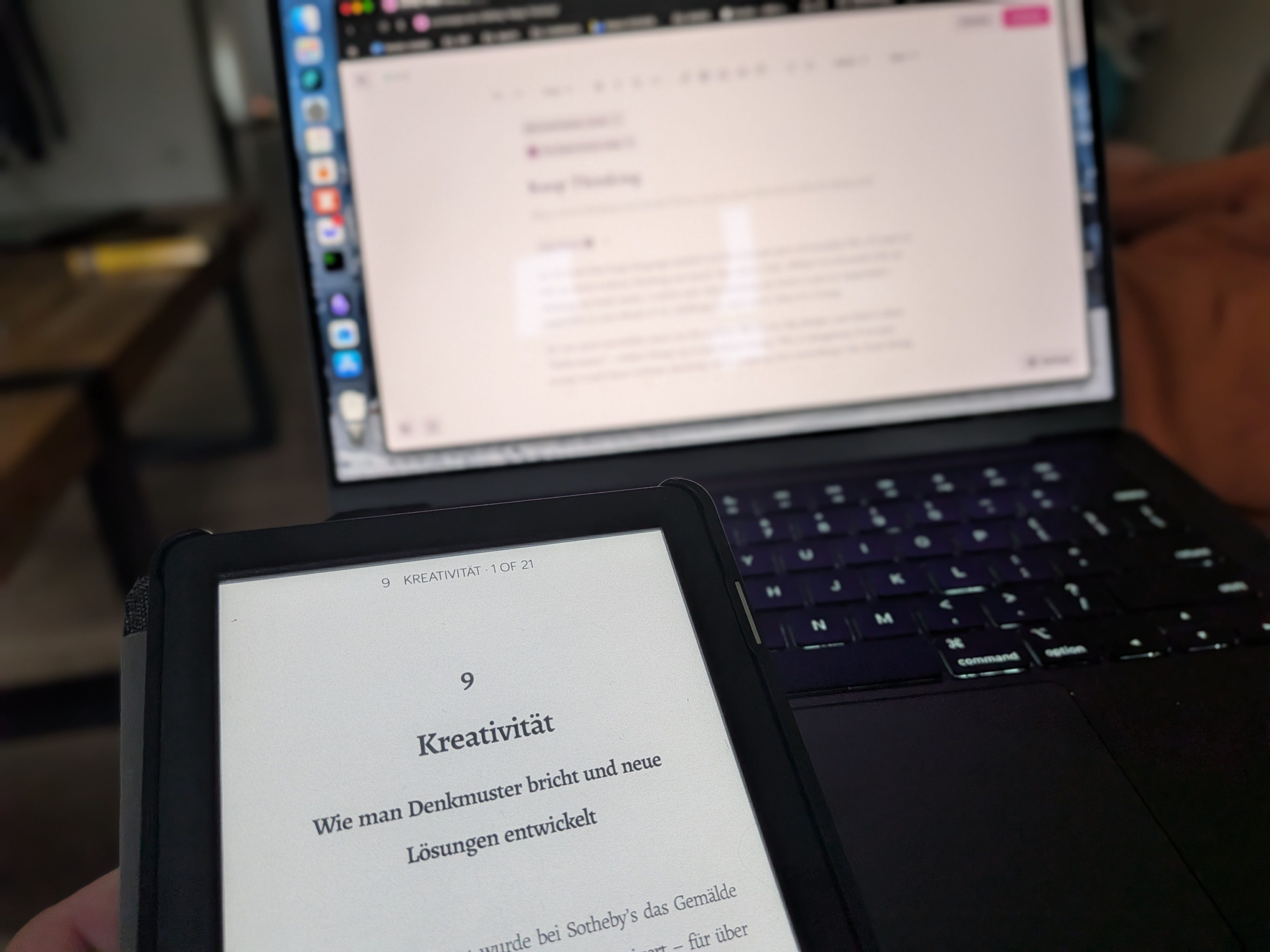
AI can seem incredibly smart on the surface. But if you dig deeper, you find it often “hallucinates”—makes things up or gets facts wrong. This is dangerous if we just accept it and share without checking. AI is creeping into everything I do, from fixing my blog writing (yes also this post) to coding at work. So, I needed to rethink how I think.
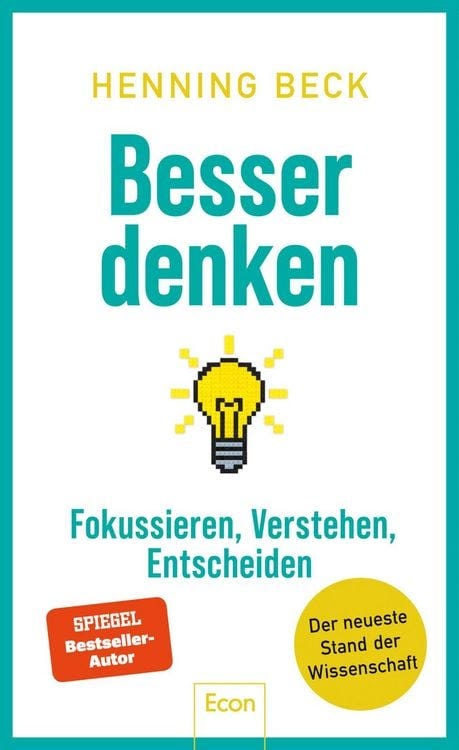
That’s why I started reading Besser denken by Henning Beck [German]. This book takes you through the science of how to think better — today. It covers how to fight information overload, distractions, and the new challenges AI brings. Beck’s advice is clear: you need to be adaptable, resilient, and always question what you hear or see—especially if it comes from AI.
Blind trust in AI leads to big problems: wrong answers, biased decisions, loss of our own judgment, and overlooking how AI reaches conclusions. Henning Beck and other experts say we must raise our guard and use AI wisely, combining its power with human judgment.
Going offline
In the age of AI, unplugging and spending time on offline activities is more important than ever for our thinking. Cycling with friends, going on long hikes with deep, meaningful conversations, or enjoying a sauna session without any smartphones or screens are moments where we truly connect with ourselves and others. These are times when our minds are free from constant digital noise and AI prompts.
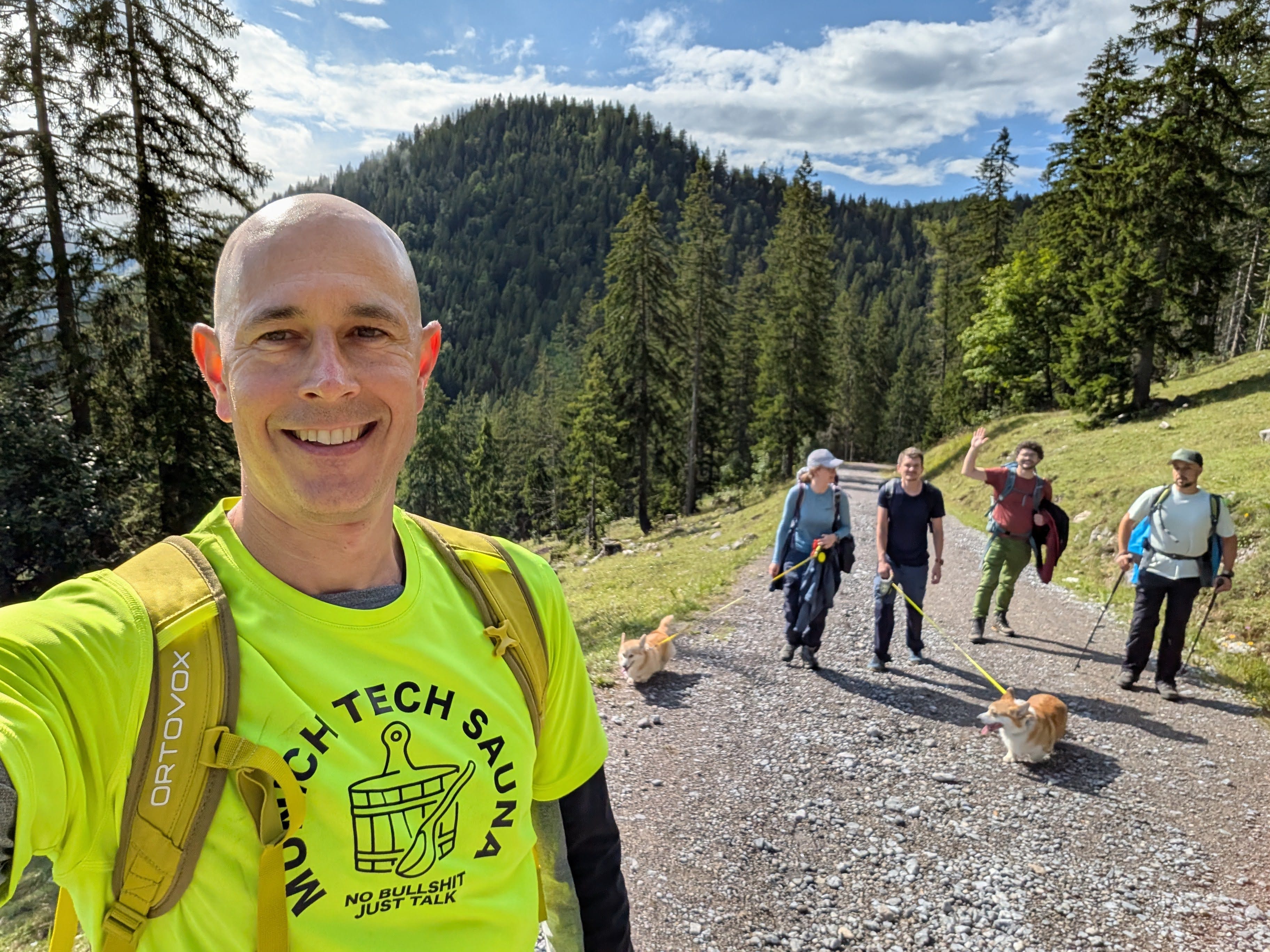
During these offline moments, we get to think on our own terms, explore ideas without quick AI answers, and express our true thoughts and feelings. They help us build mental clarity and creativity because we are not just reacting to information but actively engaging with the world around us—and with our inner world. These experiences recharge our brain’s ability to focus, reflect, and problem-solve deeply.
Henning Beck would agree that embracing these real-life (IRL) moments is crucial. They reinforce our uniquely human skills—introspection, imagination, and critical thinking—that no AI can replace. In a world where AI makes many tasks easier, these offline activities keep our brains agile, independent, and prepared to use AI not as a crutch, but as a tool we control and master.
What else can we do?
Beck suggests focusing on what makes human brains unique—not trying to copy AI. We think with feelings, images, and big ideas. We have intentions and creative problem-solving skills AI can’t match.
He encourages taking breaks to think deeply, seeking different viewpoints (especially from non-experts), and being brave in making mistakes. Mistakes are how we learn and grow fast. Most importantly, don’t let AI make you less open-minded or creative. Use it as a tool, but stay curious and keep questioning.
I hope this inspires you to keep training your brain alongside your body.
How do you make sure you stay sharp and critical in the age of AI? Share your thoughts in the comments!